
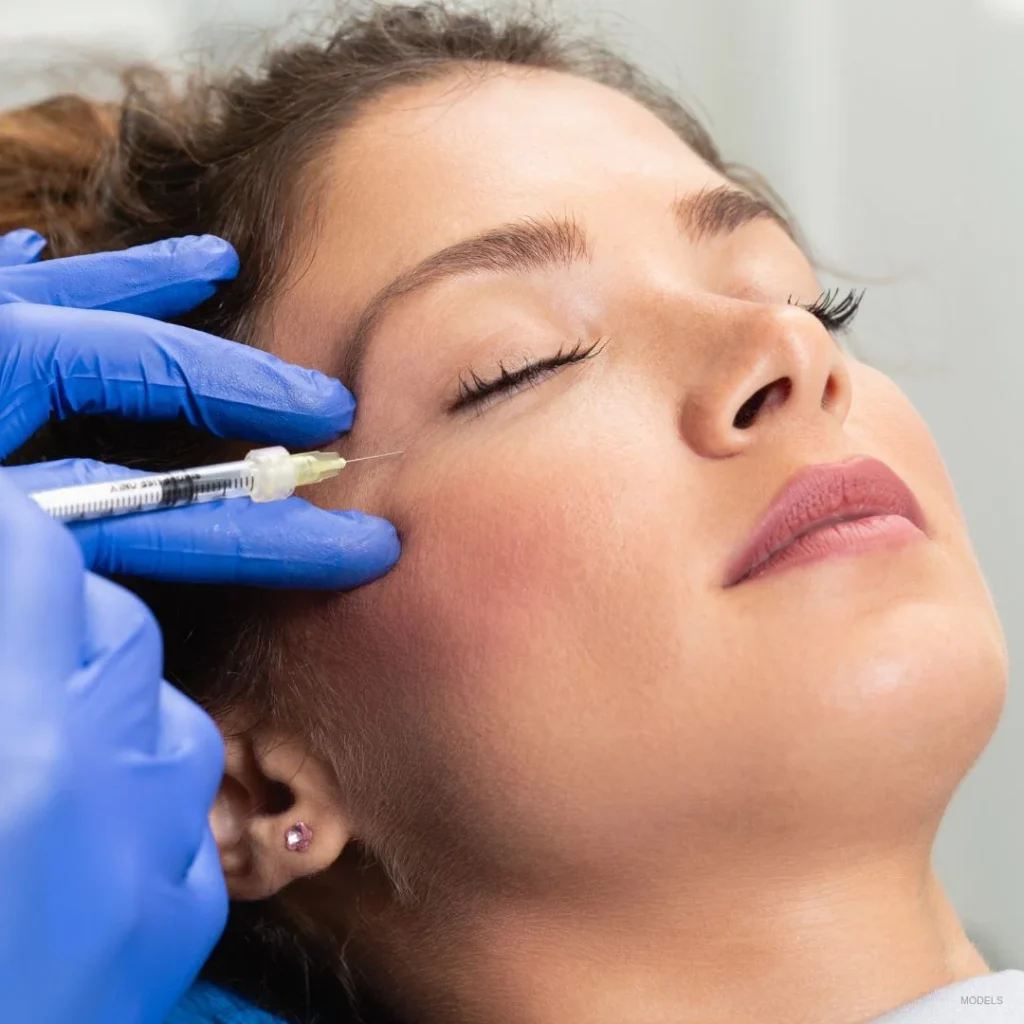
Botox aftercare is simple, but the first several hours after treatment matter. To help support a smooth recovery, avoid rubbing or pressing on the treated areas, skip strenuous exercise for the rest of the day, and follow the personalized instructions given by your injector.
For many patients, Botox requires little to no downtime. You may be able to return to most normal daily activities shortly after your appointment. Still, thoughtful aftercare after Botox can help reduce unnecessary irritation, pressure, or bruising around the injection sites.
At Ballentyne Medical Aesthetics, patients in Portsmouth, NH and the Seacoast area receive guidance based on their treatment areas, goals, and skin. Whether you are planning your first appointment or have just received injections, the following Botox aftercare instructions can help you know what to do next.
Quick Botox Aftercare Instructions
After Botox, your injector may recommend that you:
- Stay upright for several hours after treatment
- Avoid rubbing, massaging, or pressing on the treated area
- Skip strenuous exercise for the rest of the day
- Avoid alcohol for a short period if advised
- Avoid facials, massages, saunas, or skin treatments immediately after
- Use gentle skincare and avoid aggressive scrubbing
- Follow your injector’s personalized Botox aftercare instructions
These recommendations may vary depending on where you were treated. For example, forehead Botox, crow’s feet treatment, lower-face Botox, and masseter Botox may each come with slightly different guidance.
If you are still preparing for your appointment, you can learn more about Botox treatment in Portsmouth, NH and what to expect from a personalized treatment plan.
What Not to Do After Botox
The most important rule of aftercare for Botox injections is to avoid unnecessary pressure on the treated areas. Botox is placed carefully into specific muscles, so you do not want to rub, massage, or manipulate the area right after treatment.
After Botox, try to avoid:
- Rubbing or massaging your face
- Lying flat too soon after your appointment
- Intense workouts immediately after treatment
- Facial massage, facials, or other skin treatments the same day
- Saunas, hot yoga, or heavy heat exposure shortly after treatment
- Wearing tight hats, headbands, or anything that presses on treated areas
- Scheduling Botox too close to a major event
Most people look presentable soon after treatment, but mild redness, swelling, tenderness, or small marks at the injection sites can happen. If you have an event, photo session, wedding, or vacation coming up, it is best to schedule Botox in advance so your results have time to develop and any temporary effects can settle.
For those comparing treatment options, Ballentyne Medical Aesthetics also offers Dysport, another wrinkle-relaxing injectable that may be discussed during your consultation.
Can You Sleep After Botox?
Yes, you can sleep after Botox, but timing and position matter. Patients are commonly advised not to lie flat immediately after treatment. Later in the day, sleeping is usually fine, but it is best to avoid pressing your face into the pillow or putting direct pressure on the treated areas.
For the first night, sleeping on your back may be helpful if you can do so comfortably. This is especially useful if you had Botox in the forehead, around the eyes, or in other areas where pillow pressure could disturb the skin.
Botox aftercare sleeping tips include:
- Avoid lying flat right away unless your injector says otherwise
- Sleep on your back the first night if possible
- Avoid sleeping with your face pressed into the pillow
- Keep your head and face free from heavy pressure
- Do not massage the treated areas before bed
You do not need to stay awake all night or worry excessively about sleeping. The goal is simply to avoid unnecessary pressure during the early aftercare window.
Can You Drink Alcohol After Botox?
It is usually best to avoid alcohol shortly before and after Botox if your injector recommends it. Alcohol may increase the chance of temporary bruising or swelling in some people, especially around injection sites.
This does not mean that alcohol will ruin your results. However, if you want to be cautious, avoid drinking alcohol the day of your appointment and follow your provider’s specific guidance.
This is especially helpful if you bruise easily, are preparing for an event, or are receiving Botox in a visible area such as the forehead, crow’s feet, or around the mouth.
Can You Exercise After Botox?
Strenuous exercise is usually best avoided for the rest of the day after Botox or as instructed by your injector. Light daily movement, such as walking around your home or returning to normal errands, is different from a high-intensity workout.
After Botox, consider waiting before doing:
- Heavy weight training
- Hot yoga
- Running or intense cardio
- High-impact fitness classes
- Activities that involve bending over repeatedly
- Workouts that cause heavy sweating or facial flushing
Exercise increases circulation and can involve facial pressure, heat, or repetitive movement. Giving your treatment a short window to settle is a simple way to support a more comfortable aftercare experience.
If your schedule is tight, try to work out before your appointment or plan a rest day afterward.
When Can You Wash Your Face or Wear Makeup After Botox?
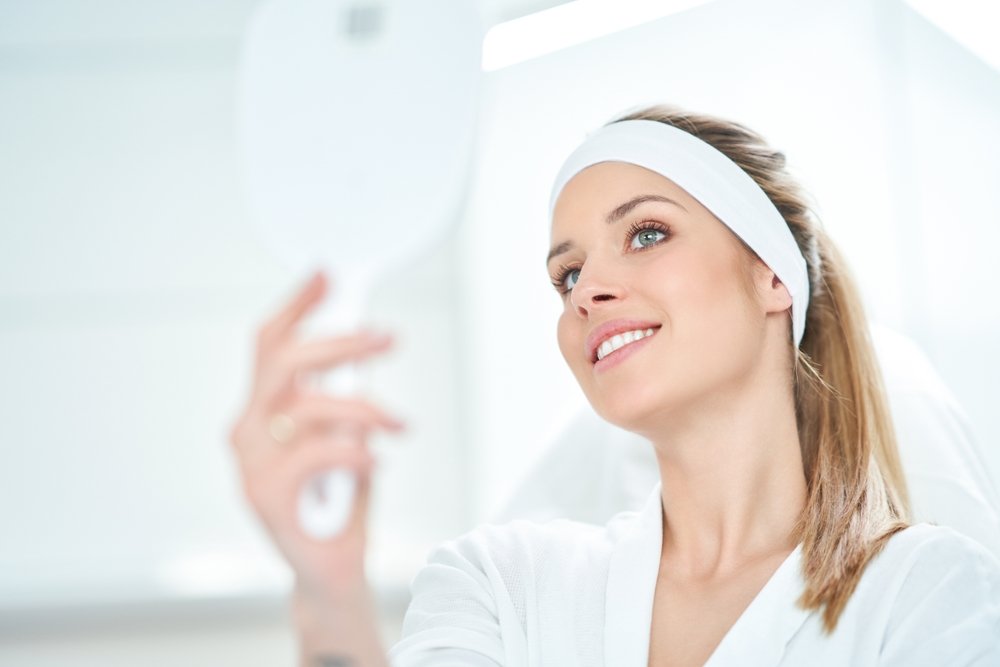
You can usually wash your face after Botox, but be gentle. Use light pressure, avoid scrubbing, and pat the skin dry instead of rubbing with a towel.
For skincare after Botox:
- Use a gentle cleanser
- Avoid exfoliating scrubs right away
- Skip aggressive facial tools or cleansing brushes
- Do not press hard around injection sites
- Avoid strong active products immediately after if your skin feels sensitive
Makeup guidance can vary by provider. Some injectors may recommend waiting several hours before applying makeup, especially if there are small visible injection points. If you do apply makeup later, use clean brushes or applicators and avoid pressing heavily into the skin.
This is also a good time to keep your routine simple. Let your skin settle before returning to more active treatments like peels, resurfacing, or intensive facials.
How Long Does Botox Aftercare Last?
The most important Botox aftercare window is usually the first day. During this time, you should be most careful about rubbing, pressure, intense workouts, alcohol, and other activities your injector recommends avoiding.
That said, Botox results do not appear immediately. Your skin may look the same right after your appointment, with small temporary marks or redness where injections were placed. Over the next several days, the treated muscles gradually begin to relax.
Aftercare for Botox is less about doing something complicated and more about avoiding the things that could irritate the area or interfere with your provider’s instructions.
When Will You See Botox Results?
Botox results develop gradually. Some patients begin to notice softening within a few days, while full results may take longer depending on the area treated, the amount used, and how your body responds.
This gradual change is one of the reasons many people enjoy Botox. The result can appear refreshed rather than sudden, especially when treatment is performed with a thoughtful, natural-looking approach.
Common treatment areas include:
- Forehead lines
- Frown lines
- Crow’s feet
- Brow area
- Lower face
- Masseter area
- Neck bands
- Excessive sweating concerns, when appropriate
For more localized options, Ballentyne Medical Aesthetics offers Botox services in Portsmouth, NH designed around each patient’s facial movement, anatomy, and goals.
Botox Prep and Aftercare: How to Plan Ahead
Good Botox prep and aftercare starts before your appointment. A smooth treatment experience often comes down to preparation, communication, and timing.
Before Botox, consider these tips:
- Arrive with clean skin when possible
- Tell your provider about medications, supplements, and health history
- Avoid alcohol before treatment if advised
- Do not schedule treatment immediately before a major event
- Ask how many days your provider recommends before photos or special occasions
- Share your goals clearly, including whether you prefer subtle or more noticeable softening
After Botox, keep the area clean, avoid pressure, and follow the instructions provided at your appointment.
If you are considering combining Botox with other treatments, such as dermal fillers, your provider can help you understand the best order and timing. Botox and fillers work differently, so a customized plan is often the best approach.
When to Contact Your Provider
Mild redness, tenderness, swelling, or small marks can happen after injections and often settle on their own. However, you should contact your provider if you feel unsure about your healing or notice anything that feels unusual for you.
Contact your injector if you have concerns about:
- Persistent swelling or discomfort
- Significant bruising
- Uneven-looking results after the full settling period
- Symptoms that feel unusual or unexpected
- Questions about when to resume exercise, skincare, or other treatments
Your provider is the best resource because they know where your Botox was placed, how much was used, and what instructions apply to your treatment plan.
You can also view before and after photos to better understand the type of aesthetic improvements that may be possible with professional treatment.
Schedule a Botox Consultation in Portsmouth, NH
Botox aftercare does not need to be overwhelming. With the right guidance, most patients can return to their day with only a few simple precautions.
At Ballentyne Medical Aesthetics, Botox treatments are personalized to your facial movement, treatment goals, and comfort. If you are considering Botox in Portsmouth, NH or the Seacoast area, contact Ballentyne Medical Aesthetics to schedule a consultation and receive guidance tailored to your treatment plan.
Botox Aftercare FAQs
After Botox, avoid rubbing or massaging the treated area, lying flat too soon, strenuous exercise, alcohol if advised, facials, saunas, and heavy pressure on the injection sites. Always follow the specific instructions from your injector.
It is often best to avoid putting pressure on the treated areas right after Botox. If possible, sleep on your back the first night. If you naturally turn in your sleep, do not panic. The goal is to avoid intentional pressure or rubbing.
Coffee is usually not the main concern after Botox. However, if caffeine makes you flush, feel jittery, or increases your tendency to touch your face, you may want to keep it moderate. Follow your provider’s instructions if they give you specific guidance.
You may be advised to wait several hours before applying makeup. If you do wear makeup later, use clean products and apply gently without rubbing or pressing on the treated areas.
Many providers recommend skipping strenuous exercise for the rest of the day after Botox. Light normal activity is usually different from intense workouts. Ask your injector when you can return to your usual fitness routine.
It is best to avoid facials, facial massage, and skin treatments immediately after Botox. These treatments can involve rubbing, pressure, heat, or active products. Ask your provider how long to wait before scheduling a facial.
Because Botox results take time to appear and settle, it is best not to schedule treatment right before an important event. Many patients plan their appointment at least a couple of weeks in advance, but your ideal timing may vary.



 $50 OFF For any New Patient!