
That moment when you catch your reflection and notice those little lines that weren’t there last year? You’re definitely not alone. Whether it’s the crow’s feet that appear when you smile or those forehead lines that seem to have taken up permanent residence, deciding to try Botox is a big step, and it’s completely natural to feel a mix of excitement and nervousness about your first appointment.
At Ballentyne Medical Aesthetics, we’ve guided thousands of Portsmouth residents through their first Botox experience, and we know exactly what questions are running through your mind right now. Will it hurt? How long does it take? What if I don’t like the results? The truth is, proper preparation can make all the difference between a good experience and an absolutely amazing one.
Here’s what we’ve learned after years of helping people achieve their aesthetic goals: the patients who feel most confident and get the best results are those who know exactly what to expect. That’s why we’ve created this comprehensive guide to walk you through every step of preparing for your first Botox appointment, from the initial decision through your recovery and beyond.
Understanding What Botox Actually Does
Before we dive into preparation steps, let’s clear up some common misconceptions about Botox. Botulinum toxin, the active ingredient in Botox, works by temporarily relaxing specific facial muscles that cause dynamic wrinkles. These are the lines that appear when you make facial expressions like frowning, squinting, or raising your eyebrows.
The key word here is “dynamic.” Botox is incredibly effective for expression lines but won’t address deeper wrinkles caused by volume loss or sun damage. According to research published in the Aesthetic Surgery Journal, properly administered Botox can reduce the appearance of crow’s feet by up to 50% and forehead lines by approximately 30-40% within two weeks of treatment.
Dr. Ballentyne has been injecting for over 20 years and is among the select 7% of doctors qualified as expert injectors in the United States. This level of expertise matters because Botox is both an art and a science. The goal isn’t to freeze your face or make you look dramatically different, it’s to help you look like the most refreshed, rested version of yourself.
Understanding realistic expectations is crucial for your satisfaction with the results. Botox works gradually, with initial effects visible within 3-5 days and full results appearing within 10-14 days. The effects typically last 3-4 months, though many patients find that with regular treatments, the results can last longer as the muscles become trained to relax.
Pre-Appointment Preparation Timeline
Two Weeks Before Your Appointment
Stop taking blood-thinning medications and supplements if medically safe to do so. This includes aspirin, ibuprofen, vitamin E, fish oil, and ginkgo biloba. These substances increase your risk of bruising at injection sites. Always consult with your prescribing physician before discontinuing any prescribed medications.
Avoid scheduling other facial treatments like chemical peels, microdermabrasion, or laser treatments during this time. Your skin should be in its normal, healthy state for optimal Botox results. If you’re planning any dental work, schedule it either well before or at least two weeks after your Botox appointment.
Consider starting arnica supplements or applying arnica cream to areas you plan to have treated. Many of our Portsmouth patients swear by this natural remedy for reducing bruising and swelling, though results vary from person to person.
One Week Before
Limit alcohol consumption, as it can increase bruising and swelling. You don’t need to eliminate it entirely, but those nightly glasses of wine might be worth skipping for a few days before your appointment.
Stay well-hydrated by drinking plenty of water. Hydrated skin responds better to injections and heals more quickly. Aim for at least eight glasses of water daily, and consider adding foods rich in vitamin C to support your body’s natural healing processes.
24-48 Hours Before
Avoid intense exercise that could increase blood flow to your face and potentially increase bruising. Light walking or gentle yoga is fine, but skip that high-intensity interval training class for 24 hours after.
Get a good night’s sleep before your appointment. Well-rested skin looks healthier, and you’ll be better able to communicate your goals and concerns clearly during your consultation.
Don’t schedule your appointment right before a big event. While most people can return to normal activities immediately, some experience minor swelling or bruising that takes a few days to resolve.
What to Expect During Your Consultation
Your consultation at Ballentyne Medical Aesthetics is where the magic really happens. This isn’t a quick in-and-out appointment, it’s a comprehensive discussion about your concerns, goals, and the best approach to achieve the results you’re looking for.
We’ll examine your facial anatomy, discuss your medical history, and ask about any previous cosmetic treatments you’ve had. Dr. Ballentyne and now daughter Alexis Shea Ballentyne will assess how your facial muscles move and determine the optimal injection sites and dosage for your unique features. This personalized approach is what sets expert injectors apart from the rest.
Bring photos of yourself from 5-10 years ago if you have them. These help us understand how your face has changed over time and what results might be most natural-looking for you. We’ll also take before photos from multiple angles to track your progress and ensure optimal results.
Don’t hesitate to ask questions during this time. We want you to feel completely comfortable and informed about every aspect of your treatment. Some patients bring written questions to make sure they don’t forget anything important during the excitement of the consultation.
The consultation is also when we’ll discuss pricing, which varies based on the number of units needed and the areas being treated. At Ballentyne Medical Aesthetics, we believe in transparent pricing with no hidden fees or surprise charges. We’ll give you a clear breakdown of costs before any treatment begins.
Day of Treatment Preparation
Arrive at our Portsmouth office with clean skin, free of makeup, moisturizers, or other products. We’ll clean the treatment areas thoroughly, but starting with clean skin makes the process more efficient and reduces the risk of introducing bacteria to injection sites.
Wear comfortable clothing that doesn’t require pulling anything over your head. While Botox doesn’t typically cause significant swelling, you want to avoid anything that might put pressure on treated areas immediately after your appointment.
Plan to spend about 30-45 minutes at our office, though the actual injection process usually takes only a few minutes. The extra time allows for final consultation, preparation, and post-treatment instructions.
Eat a light meal before your appointment to prevent any lightheadedness during the procedure. Some people experience mild anxiety before their first Botox treatment, and having stable blood sugar levels helps you feel more comfortable and relaxed.

The Treatment Process Explained
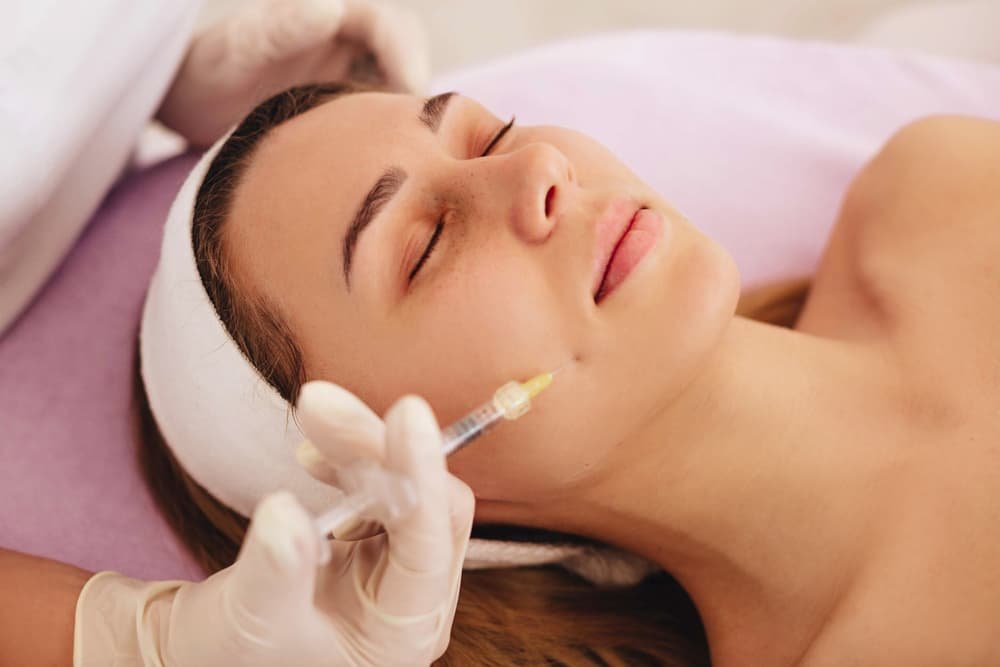
The actual Botox injection process is surprisingly quick and straightforward. We’ll have you sit in a comfortable treatment chair and may apply a topical numbing cream if you’re concerned about discomfort, though most patients find this unnecessary.
Using a very fine needle, Dr. Ballentyne or Alexis Shea Ballentyne will make several small injections in the predetermined areas. Most people describe the sensation as similar to a small pinprick or mosquito bite. The entire injection process typically takes a few minutes, depending on how many areas are being treated.
You might hear us talking about “units” during the treatment. Botox is measured in units, and the number you need depends on the strength of your facial muscles and the extent of your wrinkles. For reference, treating crow’s feet typically requires 12-20 units per side, while forehead lines might need 10-20 units total.
Immediately after the injections, you might notice small red marks or minor swelling at injection sites. This is completely normal and usually resolves within a few hours. We’ll provide you with ice packs if needed and go over detailed aftercare instructions.
The entire experience at Ballentyne Medical Aesthetics is designed to be comfortable and stress-free. Our team creates a confidential and intimate environment where you can ask questions, express concerns, and feel completely at ease throughout the process.
Post-Treatment Care and Recovery
The hours immediately following your Botox treatment are crucial for optimal results. For the first four hours, avoid lying down, bending over, or engaging in activities that increase blood flow to your face. This helps ensure the Botox stays in the intended treatment areas.
Don’t touch, rub, or massage the treated areas for at least 24 hours. While it’s tempting to feel around injection sites, manipulation can cause the Botox to migrate to unintended areas, potentially affecting your results.
Skip your workout routine for 24 hours after treatment. Exercise increases blood flow and can cause the Botox to spread beyond the target muscles. Light walking is fine, but save that spin class or weightlifting session for tomorrow.
You can apply makeup a few hours after treatment if needed, but be gentle when cleansing your face that evening. Use light, upward strokes rather than aggressive rubbing or scrubbing motions.
Stay upright for at least four hours after your appointment. If you need to rest, prop yourself up with pillows rather than lying flat. This positioning helps the Botox settle properly in the treated muscles.
Some people experience mild headaches after their first Botox treatment, especially if forehead muscles were treated. This usually resolves within 24-48 hours and can be managed with acetaminophen if needed. Avoid anti-inflammatory medications like ibuprofen, as they can increase bruising.
Managing Expectations and Timeline
Understanding the timeline for Botox results helps prevent disappointment and ensures you know what to expect in the days and weeks following your treatment. You won’t walk out of our Portsmouth office looking dramatically different, and that’s actually a good thing.
Days 1-3 after treatment, you might not notice any changes at all. Some people worry they’ve wasted their money, but this is completely normal. The Botox is working at the cellular level to block nerve signals to the treated muscles.
Days 3-7 bring the first visible changes. You might notice that certain expressions feel slightly different or that lines appear softer when you make facial expressions. This gradual onset is what creates natural-looking results.
Days 7-14 show the full effects of your treatment. Lines will be significantly softer or completely smooth, depending on their severity before treatment. Your face should look refreshed and rested, not frozen or unnatural.
If you’re not completely satisfied with your results at the two-week mark, we offer complimentary touch-up appointments. Sometimes a few additional units in specific areas can perfect the results, and we want you to be absolutely thrilled with your outcome.
Most patients return for maintenance treatments every 3-4 months, though individual results vary. With regular treatments, many people find their results last longer as the muscles become trained to stay relaxed.
Common Concerns and Solutions
Even with thorough preparation, first-time Botox patients often have lingering worries about the procedure. Let’s address the most common concerns we hear at our Portsmouth practice.
“What if I don’t like how I look?” This fear is understandable, but remember that Botox results are temporary. If you’re unhappy with the outcome, the effects will gradually wear off over 3-4 months. However, with an experienced injector like Dr. Ballentyne, dramatic dissatisfaction is extremely rare.
“Will people know I’ve had Botox?” When done correctly, Botox should look completely natural. You’ll simply appear more rested and refreshed. Most people receive compliments on how good they look without anyone guessing they’ve had a cosmetic treatment.
“What if something goes wrong?” Serious complications from Botox are extraordinarily rare when performed by qualified medical professionals. Dr. Ballentyne’s extensive training and experience minimize any risks, and we’ll discuss all potential side effects during your consultation.
Mild bruising occurs in about 10-15% of patients and typically resolves within a week. Slight asymmetry can happen but is usually correctable with a small touch-up treatment. Headaches affect some patients but generally resolve within 24-48 hours.
The key to avoiding problems is choosing an experienced, qualified injector who takes time to understand your anatomy and goals. At Ballentyne Medical Aesthetics, we’ve built our reputation on delivering consistently excellent, natural-looking results in a safe, comfortable environment.
Building a Long-Term Relationship with Your Injector
Your first Botox appointment is just the beginning of what should be a long-term relationship with your aesthetic provider. The more Dr. Ballentyne or Alexis Ballentyne understands your face, your preferences, and how you respond to treatment, the better your results become over time.
Keep a journal of how your Botox wears off between appointments. Note when you first start noticing movement returning and which areas seem to need touch-ups first. This information helps us optimize your treatment schedule and adjust dosing for future appointments.
Take progress photos at home in consistent lighting. While we’ll take professional photos during appointments, having your own reference images helps you track improvements and communicate any concerns more effectively.
Don’t hesitate to reach out between appointments with questions or concerns. We want you to feel supported throughout your aesthetic journey, and that includes being available when you need guidance or reassurance.
Consider combining Botox with other treatments for comprehensive facial rejuvenation. Our Diamond Glow Medical Grade Facials and other aesthetic services can complement your Botox results beautifully.
Remember that consistency is key with Botox treatments. Regular appointments every 3-4 months maintain optimal results and can actually train your muscles to stay relaxed longer over time.
Your first Botox experience should be exciting, not stressful. With proper preparation and the right provider, you’re about to discover why so many people consider Botox treatments an essential part of their self-care routine.
Ready to take the next step in your aesthetic journey? Contact Ballentyne Medical Aesthetics at (603) 319-8432 to schedule your consultation. Dr. Ballentyne and our experienced team are here to answer your questions, address your concerns, and help you achieve the natural, refreshed look you’re after. Visit us at 767 Islington Street, Suite 1A in Portsmouth, NH, where we create a confidential and comfortable environment for all your aesthetic needs.
Frequently Asked Questions
How much does Botox cost for first-time patients?
Botox pricing varies based on the number of units needed and areas treated, typically ranging from $200-600 for most first-time patients. During your consultation at Ballentyne Medical Aesthetics, we provide transparent pricing with no hidden fees. We also offer financing options through Cherry to make treatments more accessible.
Can I wear makeup after my Botox appointment?
You can apply makeup a few hours after treatment, but be gentle when removing it that evening. Avoid rubbing or massaging treated areas for 24 hours. Many patients prefer to schedule appointments when they can go makeup-free for the rest of the day to minimize touching their face.
How long should I wait to see results before scheduling a touch-up?
Wait a full two weeks before evaluating your results, as Botox continues working during this time. If you’re not completely satisfied after 14 days, contact our Portsmouth office to discuss a complimentary touch-up appointment. Rushing into additional treatments too early can lead to over-correction.



 $50 OFF For any New Patient!